
Stock Tips
No insider trading here! Just my favorite places to find stock photography + a few tips on how to navigate them and find the best content for your brand.
Stock photography can be an incredible tool when you know how to look beyond the first page of results. Below, I’m sharing my favorite sources and how I use them to find images that still feel thoughtful and elevated. And, most importantly on-brand!!!
Because “free” or “stock” doesn’t have to mean boring.
Below, I’m breaking down:
The best stock photo websites (free + paid)
How to search smarter on each one
Tips for choosing images that feel cohesive, elevated, and authentic
Why Stock Photography Gets a Bad Rap (and How to Avoid It)
Most people don’t hate stock photography, they hate lazy stock photography.
You know the kind:
Overly posed people laughing at salads
Perfectly diverse friend groups in spotless kitchens
Images you’ve seen on five different websites this week
The good news? You can avoid all of that by being a little more strategic. The goal is to use stock images as supporting visuals, not placeholders that scream “this was downloaded in five minutes.”
My Go-To Stock Photography Websites



Unsplash
Best for: Lifestyle, minimal, modern visuals
Unsplash is one of the most popular free stock photo sites for a reason. The photography quality is generally strong, with lots of natural light, clean compositions, and modern styling. It’s a great resource for more experimental styles or a more “arty” look. They definitely have things that are what you think of when you think stereotypical stock but there’s also a lot more than that.
Tips for using Unsplash well:
Skip page one of results whenever possible - this keeps you away from the images most frequently downloaded. It may give you just a smidge of chance of finding images that not everyone is using.
Search concepts, not objects (e.g. “slow morning” instead of “coffee”).
Look for images with negative space. They’re more versatile for branding. Easier to crop, layer text, & they don’t over stimulate.
They do have a + version now - these are mixed all together so try not to fall in love with anything before you check that it is indeed free.
Pexels
Best for: Simple visuals, social media, blog headers
Pexels is another solid free option, especially if you need both photos and short video clips. Quality can vary, but there are some real gems if you dig.
Tips:
Sort by new instead of popular
Pair Pexels images with strong typography to elevate them
Use for supporting content rather than hero brand visuals
Stocksy
Best for: Brand-forward, editorial, authentic imagery
Stocksy is one of my favorite paid stock photo sites. The images feel more intentional, less staged, and more like real life.
Why Stocksy stands out:
Cohesive color palettes
More inclusive, realistic representations
Great for websites, campaigns, and long-term brand use
If you want stock photography that doesn’t look like stock photography, this is a great place to invest.

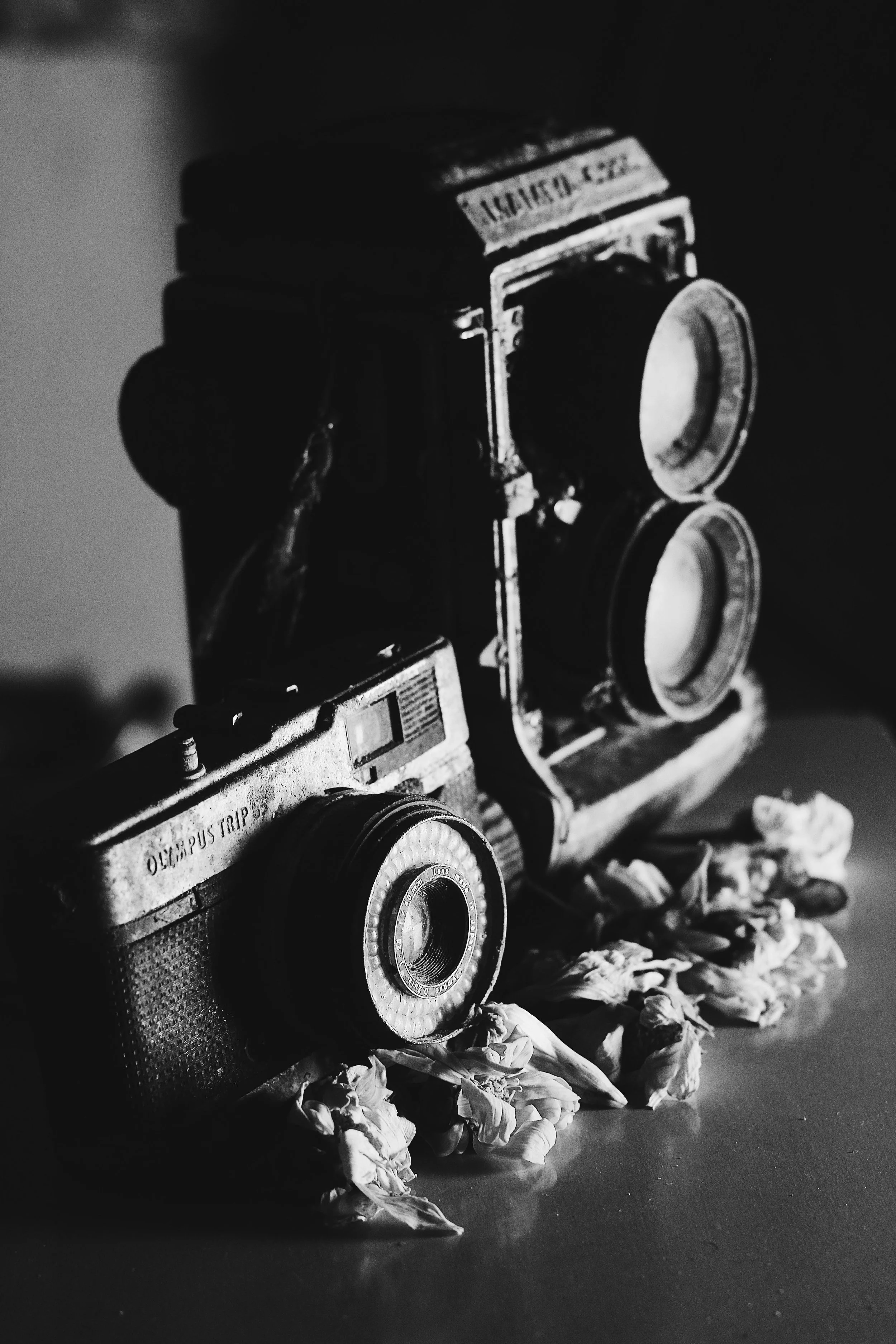

Adobe Stock
Best for: Commercial use, consistency, advanced filtering
Adobe Stock integrates seamlessly with Creative Cloud, which makes it especially useful for designers. The library is massive, so filtering is key.
Tips:
Use the color filter to match your brand palette
Avoid overly literal keyword searches
Look for series from the same photographer for consistency
AI abounds on here. Watch for it and filter it out if that is important to you.
How to Search for Better Stock Photos (This Matters More Than the Site)
Here’s where most people go wrong: typing in the most obvious keyword and calling it done.
Try this instead:
1. Search Emotions and Actions
Instead of: “Woman working”
Try:
“Focused”
“Quiet productivity”
“Creative process”
2. Think Like a Brand, Not a Blog Post
Ask yourself:
Does this image match my tone? Playful, moody, calm, bold?
Would this image feel out of place on my homepage?
Does it support the message, or compete with it?
3. Avoid Trends That Will Age Fast
Some stock trends date quickly:
Overly stylized filters
Heavy props or gimmicks
Extremely specific aesthetics
Neutral, timeless visuals will last longer and give you more mileage.
How to Make Stock Photography Feel Custom
Even the best stock image benefits from a little intention.
Try:
Cropping for negative space
Adding subtle grain or texture
Using a consistent color treatment across images
Pairing with strong, brand-specific typography
Consistency matters more than perfection.
When Stock Photography Works Best (and When It Doesn’t)
Stock photography works great for:
Blog posts
Educational content
Background visuals
Supporting social media posts
You may want custom photography for:
Product launches
Homepage hero images
Campaigns tied to your brand identity
Anything deeply personal or story-driven
Think of stock as a tool not a replacement for original content.
Final Thoughts
Stock photography isn’t the enemy. Thoughtless choices are.
With the right platforms, smarter searches, and a clear understanding of your brand, stock images can feel elevated, cohesive, and intentional — not generic.
And if you ever feel stuck choosing visuals that actually fit, that’s usually a sign your brand foundation needs a little clarity first. It might be time to hire a creative director. Wink.
Good visuals start with good decisions, not just good downloads.