
5 Essential Food Photography Tips for Social Media Success
From a Salt Lake Food & Beverage Photographer
In the world of social media, your food has to look as good as it tastes—because online, people eat with their eyes first.
Whether you're running a restaurant, managing a food brand, or simply trying to step up your Instagram game, nailing your food photography is key to standing out in the scroll. As a brand photographer specializing in food and beverage photography, I’ve helped tons of clients create content that captures attention and drives engagement.
Here are five must-know food photography tips for social media success:
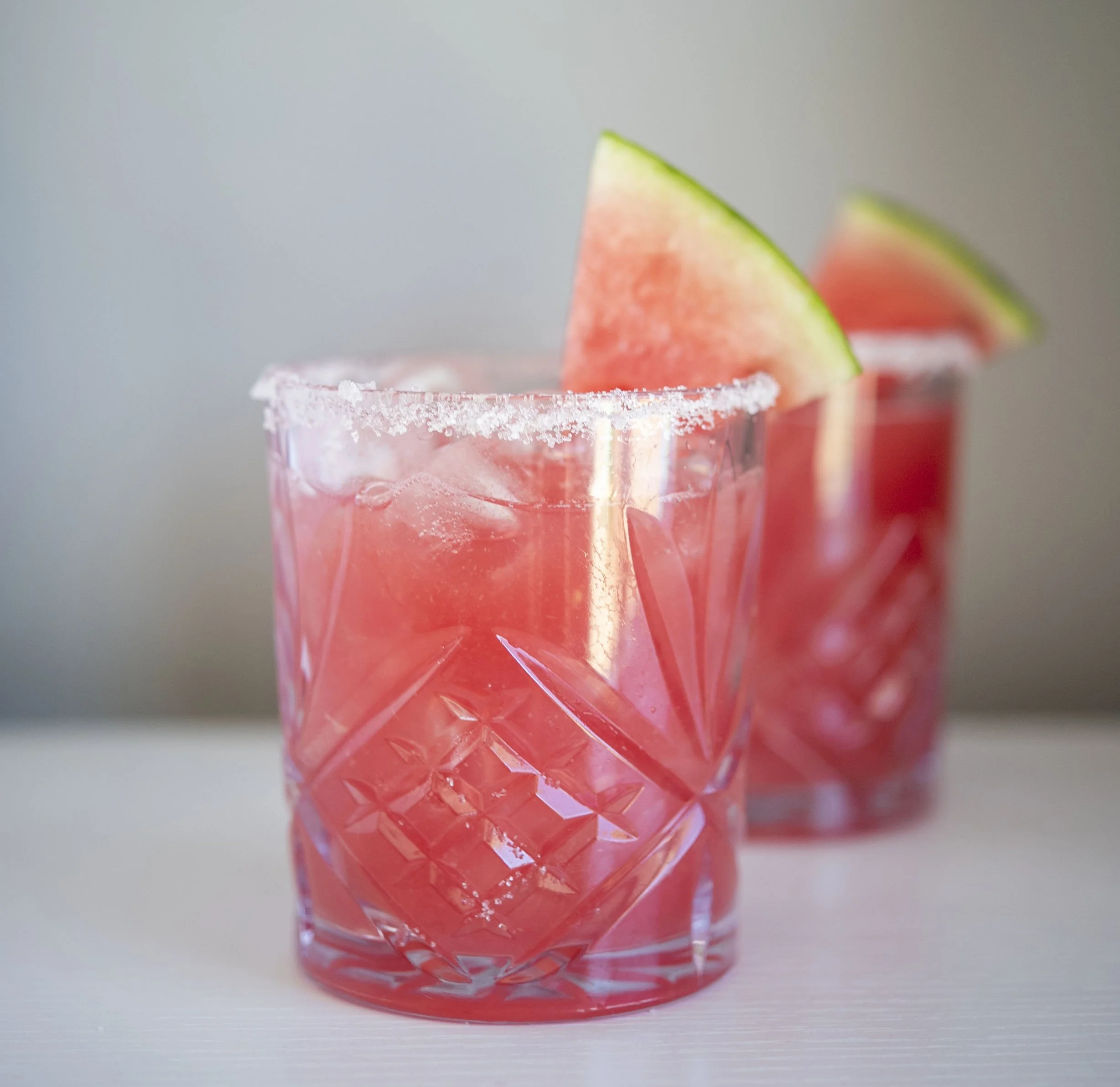
1. Use Natural Light Whenever Possible
Natural light is your best friend when it comes to capturing crave-worthy food shots. Artificial lighting can be great too, of course, but it takes more know-how and equipment that can be pricy. If you’re wondering when it makes sense to DIY food photography and when to hire a professional, that decision usually comes down to how the images will be used and how polished they need to be.
Natural light brings out true colors, enhances textures, and adds that fresh, clean vibe everyone loves. Position your setup near a large window with soft, indirect light. Avoid overhead lights, which can cast harsh shadows and unwanted color tones. Unless harsh shadows are what you are going for :)
Pro tip: If you’re shooting cocktails or beverages, backlighting helps highlight the glow and transparency—making the drink look even more refreshing. If you want more ideas, here are some additional tips for photographing cocktails and beverages that help drinks really pop on camera.
2. Keep It Simple and Styled
Busy backgrounds and cluttered compositions can distract from the star of the show—your food. Keep your setup minimal and intentional. Use props that support your brand: neutral plates, textured napkins, wood boards, or a sprig of herbs.
I often use styling to help clients create a signature visual style that feels both elevated and authentic—especially important if you're building a cohesive Instagram feed.
3. Play with Angles
Not all food looks great from the same angle. Overhead shots (aka flatlays) work well for table spreads, while 45-degree angles are perfect for plated meals. For burgers, drinks, or layered dishes, try getting eye-level to show off the details.
Experiment to find the best perspective—and don’t be afraid to move around the dish.
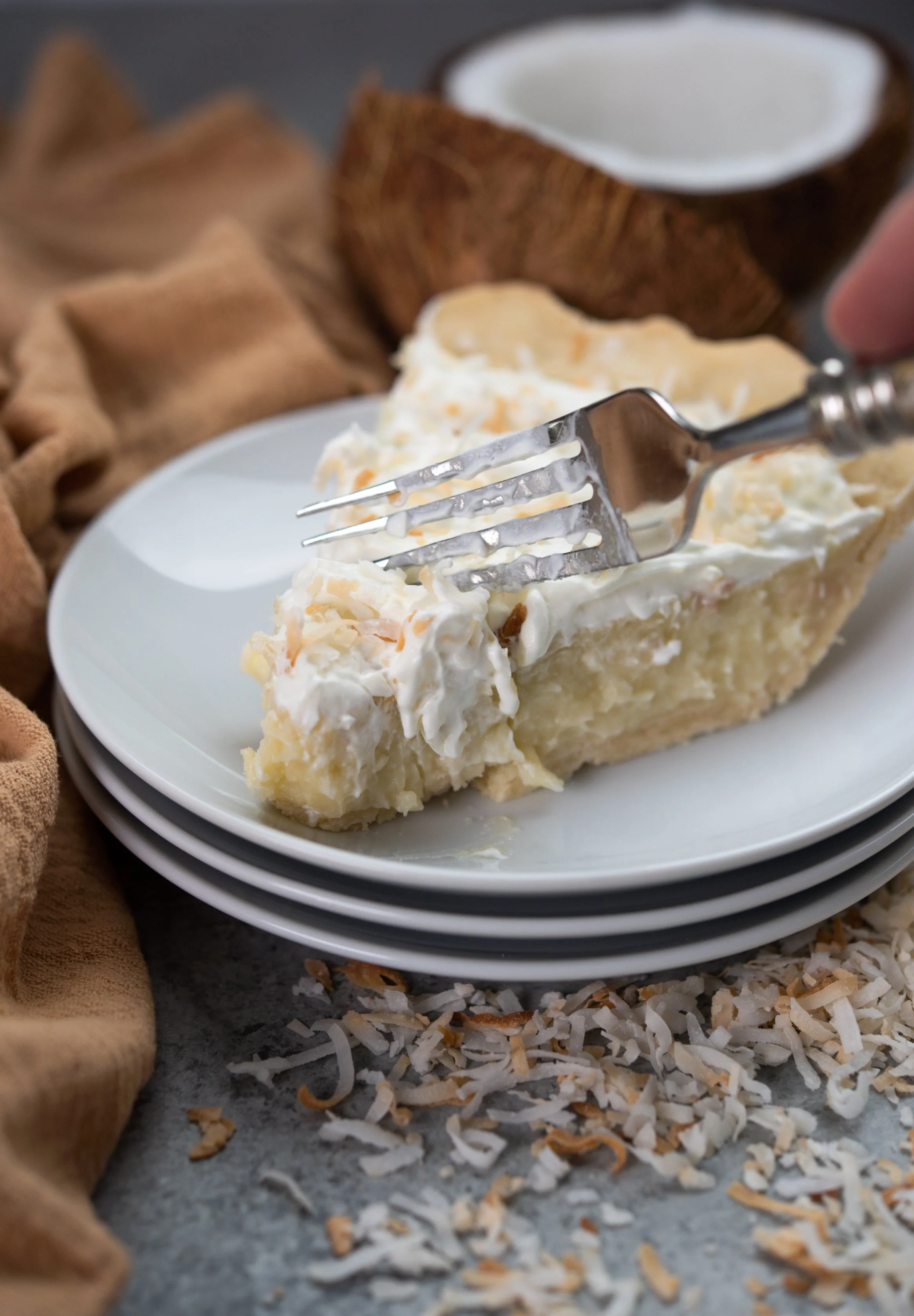
4. Tell a Story with Your Scene
The most engaging food photos do more than just show the dish—they tell a story. Understanding the power of storytelling in food and beverage photography can help transform a simple food photo into something that feels emotional, memorable, and on-brand.
Add human elements like a hand holding a fork, pouring syrup, or clinking glasses to make the image feel more dynamic and relatable. Capture the vibe of the moment—whether it’s a cozy brunch or rooftop cocktails.
These storytelling shots are perfect for Reels, carousels, and Instagram Stories.
5. Edit with Intention
Editing is where your photo really comes to life—but less is more. Use editing tools to correct lighting, boost contrast, and enhance color without making it look unnatural. Apps like Lightroom Mobile or VSCO are great for quick, professional-level touch-ups.
Want a consistent aesthetic across your grid? Create or use a custom preset that aligns with your brand’s vibe.
Make Your Feed Feed-Worthy
At the end of the day, great food photography doesn’t just get likes—it gets people in the door. Whether you're launching a new menu, promoting seasonal specials, or building a mouthwatering brand presence, investing in strong visuals is worth every bite.
If you’re ready to take your food content to the next level, I’d love to help. As a Salt Lake City food and beverage photographer, I specialize in creating scroll-stopping content for restaurants, bars, and food brands.
📸 Let’s connect and start building a visual strategy that works as hard as your menu does.